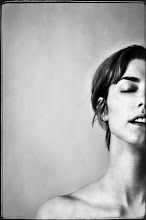
I am having an art show! The opening is Friday. This is my first solo show and I am very excited about it. I have been working on my concept and art pieces for a year and now it is finally time to share what I have done. After my show is finished I am planning on posting all the images from it on my blog.
Wednesday, November 10, 2010
Art Show
I am having an art show! The opening is Friday. This is my first solo show and I am very excited about it. I have been working on my concept and art pieces for a year and now it is finally time to share what I have done. After my show is finished I am planning on posting all the images from it on my blog.


Saturday, October 23, 2010
Holga Camera - Cross Processed Film


 I took these images with a toy camera called a Holga. It is a cheap, plastic medium format film camera. Because it is so cheap it leaks light in, vignetting the edges of the image. I crossed processed the film when I got it developed and so it shifted all the colors around.
Saturday, September 18, 2010
Liberated


Last Spring when I made this project, I felt things were amiss in my life. I felt I was living a very lopsided life and wasn't practicing the self control and discipline I felt I needed to. I thought about that a lot, and I noticed the other people around me, and thought about our society as a whole and could see they were in a very similar predicament. I decided this was a little concerning and I need to say something about it. So this project was born. It is about the importance of staying balanced and grounded in life. This self control ultimately allows more freedom in the end.
I showed this piece at the end of last spring semester at my school. I hung it in the halls of the art building. I had a beautiful, long branch I hung my prints from. I wanted to emphasis the importance of a branch in a birds life. Sadly, the photo I have of the final presentation isn't as lovely as I would have hoped. The lighting in the building was terrible and it was hanging in a hall, so I didn't have enough room to back up to get the whole thing. But you can see the general overall idea. It took a long time to hang, but it was well worth it!
I printed the images on watercolor paper with the historic cyanotype printing processes.
Saturday, August 21, 2010
Gum Bichromate - Ballerina


 I think ballerinas are such a wonderful symbol for grace, dignity, and discipline. I love how they move. One of my dear friends is a ballerina. She is one of my favorite subject matters to photograph. I printed these Gum Bichromate pictures as a birthday present for her, and as a thank you for all the hours she has spent with me over the last couple of years modeling in the studio. I picked a soft, silvery color for my paint as a representation of the way I view ballerinas: gentle, subtle and eloquent.
Monday, August 9, 2010
Image Transfers on Wood


I made this book for a friend of mine who works at the university I attend. He had made some comments earlier that got me thinking about how he could use a nice gift in his life lately. So with the help of my teacher we were able to borrow his well-beloved cowboy outfit and photograph it.
I photographed these images with a 4x5 large format camera. It was the first time I had ever used one before. My teacher let me use hers and went out photographing with me so she could teach me how to use it (I loved it so much a couple weeks later I bought my own ;).
Besides learning how to use a 4x5 camera, I was also interested in learning some new book binding techniques. I decided I was going to make my friend a handmade book with the images I took. I choose wood as the substrate because I wanted to play with new materials and I thought it fit the cowboy theme. I scanned the images on the computer,printed them off and transferred them onto wood. I stitched it with a green thread and have a belt around it to seal it closed.
Wednesday, August 4, 2010
Photographic Toning with Kool-Aid


I wanted to experiment with homemade photographic toners, so I bought a package of red and blue kool-aid. I mixed each package with a little bit of water. I then transferred some laser prints onto a heavier paper. I placed the images (or sometimes just sections of the images) in the two separate colors for about 30 seconds. I am happy with how it turned out. I am planning on making a toning journal where I have a collection of different types of papers with different types of toners as a reference for future projects. I think toning an image can add a lot to a print.
Thursday, July 29, 2010
Book Review: "Photographic Possiblities" by Robert Hirsch
An excellent book I just finished reading:

5 out of 5 Stars
This book is fantastic! It is laid out in textbook format, but don't let that intimidate you. It is well worth reading!
The first note to make about this book is that its focus is more directed towards photographers working with film. This book covers topics such as: paper and negative developers, photographic toners, specialty films and cameras, and how to mix and store chemistry. It also has an excellent opening chapter about what photography is and pushing the boundaries of art making.
The author, Robert Hirsch, also wrote a lengthy chapter about historic processes. This chapter was the main reason I bought the book. I picked up quite a few helpful tips for coating paper and what substrates work with different processes. I felt the information was adequate enough to at least begin experimenting with these processes, though I sometimes wished he'd gone into more depth. I learned about a new process called gumoil that I am very excited to try and already have a project in mind for it.
Overall I found this book to be very informative. Hirsch is very thorough in the information given. He lists recipes for: making toners, chemistry for historic processes, as well as film and paper developers. He explains in detail what the different chemicals do and why they are needed. He tells what the different visual results will be depending on what type of developer is used. (For example, with film he specifies how each developer will effect the grain size, contrast, etc). He also gives a lot of resources, such as: introducing a wide range of working artists, websites to buy supplies and chemicals, websites for more information about the topic, and a long list of resource guides at the end of each chapter, including other books.
One of the things I liked the best is that this book is filled with beautiful photographs from a wide range of artists. Often he would use the photographs as examples of what he was talking about by using artists who used a certian processes or developer or technique. Also the images would have quotes from the artists that not only explained their technique but also talked about what their art means or why they made it. I love that! It was kind of like little artists statements with each photograph.
The one thing I found most disappointing was the description of how to make digital negatives. I felt like he really skimmed over the concept. He did not give much detail about it. He mentioned the need to change the curves in Photoshop and what to change it to depends on the process you are working with. But then he gave no information about what the curve settings need to be. All he did was reference an artist's website, Dan Burkholder, who has written a book about making digital negatives. So, I guess if you don't already have the curves and information you need, you might want to look into buying the other book, too. Maybe he felt like it was too much information to try and add to his book. But I did take note that for someone who doesn't have experience with making digital negatives, they will probably get lost when making one if they are only going off the information he provided.
My final critique of the overall quality, clarity, information, and inspiration of this book is that it is excellently executed. I felt very inspired by it. I wrote a long lists of ideas to try that I gained from reading this book. I was really influenced by the artists' works and writings. I felt like I gained a lot of insight into the art making process. I learned things about photography I did not know, especially new darkroom techniques. This book is a resource I plan on referring to often. I recommend it to any serious artists working with film, darkroom techniques, or historic processes. To me, it is a must have!

This book is fantastic! It is laid out in textbook format, but don't let that intimidate you. It is well worth reading!
The first note to make about this book is that its focus is more directed towards photographers working with film. This book covers topics such as: paper and negative developers, photographic toners, specialty films and cameras, and how to mix and store chemistry. It also has an excellent opening chapter about what photography is and pushing the boundaries of art making.
The author, Robert Hirsch, also wrote a lengthy chapter about historic processes. This chapter was the main reason I bought the book. I picked up quite a few helpful tips for coating paper and what substrates work with different processes. I felt the information was adequate enough to at least begin experimenting with these processes, though I sometimes wished he'd gone into more depth. I learned about a new process called gumoil that I am very excited to try and already have a project in mind for it.
Overall I found this book to be very informative. Hirsch is very thorough in the information given. He lists recipes for: making toners, chemistry for historic processes, as well as film and paper developers. He explains in detail what the different chemicals do and why they are needed. He tells what the different visual results will be depending on what type of developer is used. (For example, with film he specifies how each developer will effect the grain size, contrast, etc). He also gives a lot of resources, such as: introducing a wide range of working artists, websites to buy supplies and chemicals, websites for more information about the topic, and a long list of resource guides at the end of each chapter, including other books.
One of the things I liked the best is that this book is filled with beautiful photographs from a wide range of artists. Often he would use the photographs as examples of what he was talking about by using artists who used a certian processes or developer or technique. Also the images would have quotes from the artists that not only explained their technique but also talked about what their art means or why they made it. I love that! It was kind of like little artists statements with each photograph.
The one thing I found most disappointing was the description of how to make digital negatives. I felt like he really skimmed over the concept. He did not give much detail about it. He mentioned the need to change the curves in Photoshop and what to change it to depends on the process you are working with. But then he gave no information about what the curve settings need to be. All he did was reference an artist's website, Dan Burkholder, who has written a book about making digital negatives. So, I guess if you don't already have the curves and information you need, you might want to look into buying the other book, too. Maybe he felt like it was too much information to try and add to his book. But I did take note that for someone who doesn't have experience with making digital negatives, they will probably get lost when making one if they are only going off the information he provided.
My final critique of the overall quality, clarity, information, and inspiration of this book is that it is excellently executed. I felt very inspired by it. I wrote a long lists of ideas to try that I gained from reading this book. I was really influenced by the artists' works and writings. I felt like I gained a lot of insight into the art making process. I learned things about photography I did not know, especially new darkroom techniques. This book is a resource I plan on referring to often. I recommend it to any serious artists working with film, darkroom techniques, or historic processes. To me, it is a must have!
Subscribe to:
Posts (Atom)